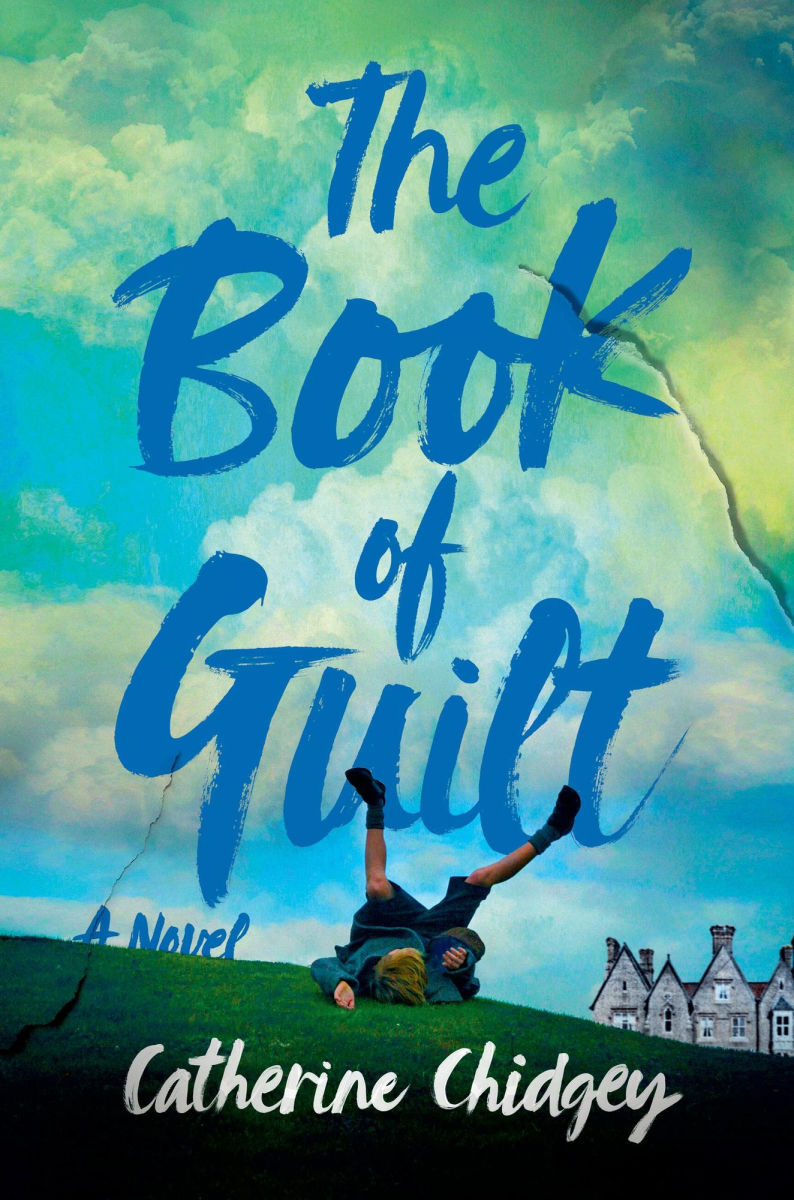
Five high school friends go on a camping trip and find a mysterious staircase in the woods. One of them climbs it and vanishes. Twenty years later, the staircase reappears, and they go to face it again.

I loved this premise and the cover. The staircase leading nowhere is spooky and beautiful, a weird melding of nature and civilization, so I was hoping for something that matched that vibe, like Annihilation or Revelator.

That was absolutely not what I got. The Staicase in the Woods is the misbegotten mutant child of It, King Sorrow, and Tumblr-speak. Every single character is insufferable. The teenagers are boring, and the adults are all the worst people you meet at parties. There are four men and one woman/nonbinary person, and she/they reads exactly like what MAGA thinks liberal women/trans people are like -- AuHD, blue hair, Tumblr-speak, angry, preachy, kinky sex etc. She/they says "My pronouns are she/them," then is only ever referred to as she and a woman. The staircase itself is barely in the story, where it leads is a letdown, and the ending combines the worst elements of being dumb and unresolved.

I got partway in and then skimmed because I was curious about the staircase and the vanished kid.

Angry spoilers for the whole book.

Read more... )


The sequel to The Darkness Outside of Us. I enjoyed it! It's both interestingly different from the first book and is satisfying on the level of "I want more of this," which is exactly what one wants from a sequel.

Literally everything about this book is massively spoilery for the first one, including its premise. I'll do two sets of spoiler cuts, one for the premise and one for the whole book.

Premise spoilers )

Stop reading here if you don't want to be spoiled for the entire book.


Entire book spoilers )


A teenage boy, Ambrose, wakes up on a spaceship with no memory of how he got there. OS, the AI programmed with his mother's voice, reminds him that he's on a mission to rescue his sister, who went to Titan two years ago and sent out a distress call. And also, he has a surprise companion on a journey he thought would be solo: Kodiak, a teenage boy from the rival nation, who is ensconced in his own quarters and refuses to come out.

Ambrose, who is a typical teenager in lots of ways apart from being a genius and an astronaut, manages to coax Kodiak out and immediately starts thinking lustful thoughts about him. Kodiak, whose country is much more austere and militarized than Ambrose's, very gradually warms up to him.

And then what I thought was going to be a slow-burn gay YA romance in a science fiction setting takes a huge left turn. To be fair, it does still centrally involve a gay YA romance. But the science fiction aspect isn't just there as a cool background. It's actually a YA science fiction novel that has a romance along with a plot that goes in multiple unexpected directions, and is very moving in a way that's only possible because of the science fiction elements.

If you're a stickler for hard science fiction in which everything is definitely possible/likely, this probably has at least one too many "I don't think that's likely to work that way" moments for you. But if you'd like to read a fun and touching science fiction adventure-romance that will probably surprise you at least once, just read the book without knowing anything more.

Spoilers! )


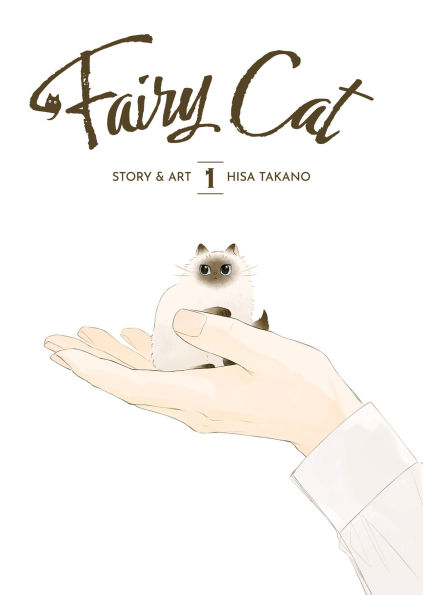
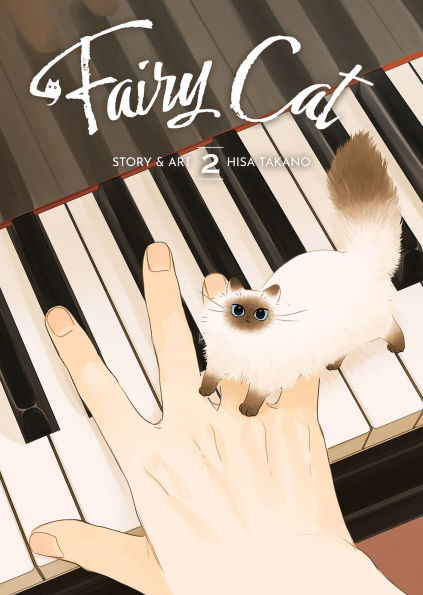
One rainy day Kanade, a high school student, finds a mouse-sized cat in his room. It's a fairy cat or "palm-sized cat!" They are elusive magical creatures which sometimes adopt humans, but mostly behave like ordinary cats. Only extra-tiny!

That's about it for the plot. What this manga is actually about is showing an incredibly adorable tiny cat being an incredibly adorable tiny cat. It's an incredibly adorable manga. Proof:


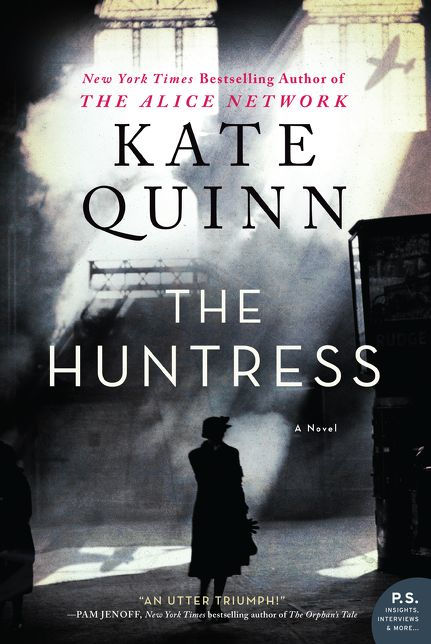
In this engrossing historical novel, three storylines converge on a single target, a female Nazi nicknamed the Huntress. During the war, we follow Nina, one of the Soviet women who flew bomber runs and were known as the Night Witches. After the war, we follow Ian, a British war correspondent turned Nazi hunter, who has teamed up with Nina to hunt down the Huntress as Nina is one of the very few people who saw her face and survived. At the same time, in Boston, we follow Jordan, a young woman who wants to be a photographer and is suspicious of the beautiful German immigrant her father wants to marry...

In The Huntress, we often know what has happened or surely must happen, but not why or how; we know Nina somehow ended up facing off with the Huntress, but not how she got there or how she escaped; we know who Jordan's stepmom-to-be is and that she'll surely be unmasked eventually, but not how or when that'll happen or how the confrontation will go down. There's a lot of suspense but none of it depends on shocking twists, though there are some unexpected turns.

Nina and Jordan are very likable and compelling, especially Nina who is kind of a force of nature. It took me a while to warm up to Ian, but I did about halfway through. Nina's story is fascinating and I could have read a whole novel just about her and her all-female regiment, but I never minded switching back to Jordan as while her life is more ordinary, it's got this tense undercurrent of creeping horror as she and everyone around her are being gaslit and manipulated by a Nazi.

This is the kind of satisfying, engrossing historical novel that I think used to be more common, though this one probably has a lot more queerness than it would have had if it had been written in the 80s - a woman/woman relationship is central to the story, and there are multiple other queer characters. It has some nice funny moments and dialogue to leaven a generally serious story (Nina in particular can be hilarious), and there's some excellent set piece action scenes. If my description sounds good to you, you'll almost certainly enjoy it.

Spoilers! Read more... )

Quinn has written multiple historical novels, mostly set during or around WW2. This is the first I've read but it made me want to read more of hers.

Content notes: Wartime-typical violence, gaslighting, a child in danger. The Huntress murdered six children, but this scene does not appear on-page. There is no sexual assault and no scenes in concentration camps.
rachelmanija: (Books: old)
( Jan. 15th, 2026 09:55 am)


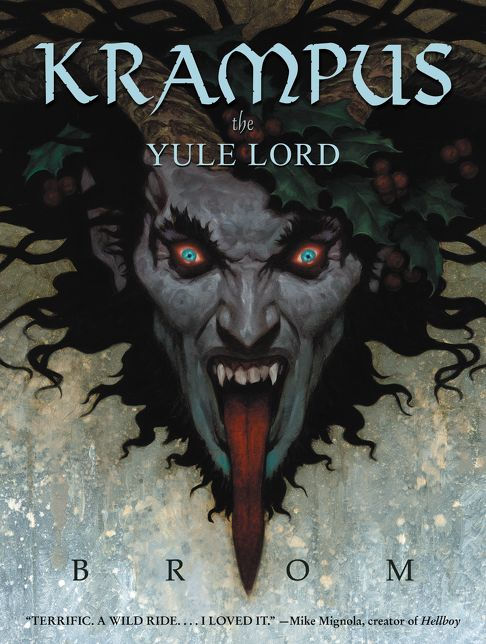
Brom was a fantasy illustrator before he started writing his own books. They all contain spectacular color plates as well as black and white illustrations, which add a lot to the story.

Krampus opens with a prologue of the imprisoned Krampus vowing revenge on Santa Claus, then cuts to Santa Claus being chased through a trailer park by horned goblins, one of whom falls to his death when Santa escapes on his sleigh drawn by flying reindeer.

But he left his sack behind, which is promptly picked up Jesse, who just moments previously was considering suicide because he's basically a character from a country song: he's broke; his wife left him, taking their kid with her, and she's now with the town sheriff; Jesse never had the music career he wanted because of poor self-esteem and stage fright, AND he's being forced to do dangerous drug smuggling by the crime lord who runs the town with help from the sheriff. Santa's sack will provide any toy you want, but only toys; Jesse, not the sharpest knife in the drawer, uses it get his daughter every toy she's ever wanted, so now his wife thinks he stole them and the corrupt sheriff is on his ass again. And so are Krampus's band of Bellsnickles, who also want the sack because it's the key to freeing Krampus...

This book is absolutely nuts. The tone isn't as absurd as the summary might make it sound; it is often pretty funny, but it's more of a mythic fantasy meets gritty crime drama, sort of like Charles de Lint was writing in the 80s. Absolutely the best part is when Krampus finally gets to be Krampus in the modern day, spreading Yule tidings, terrorizing suburban adults, and terrifying but also delighting suburban children.

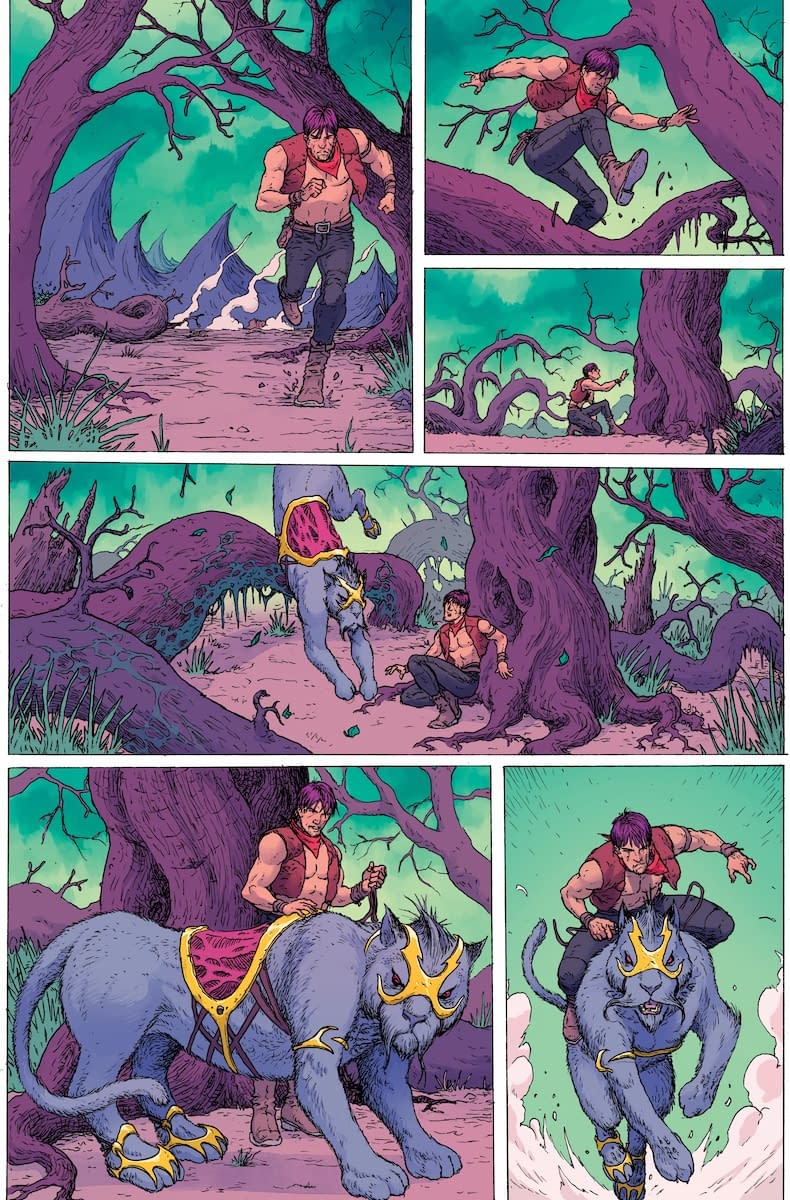
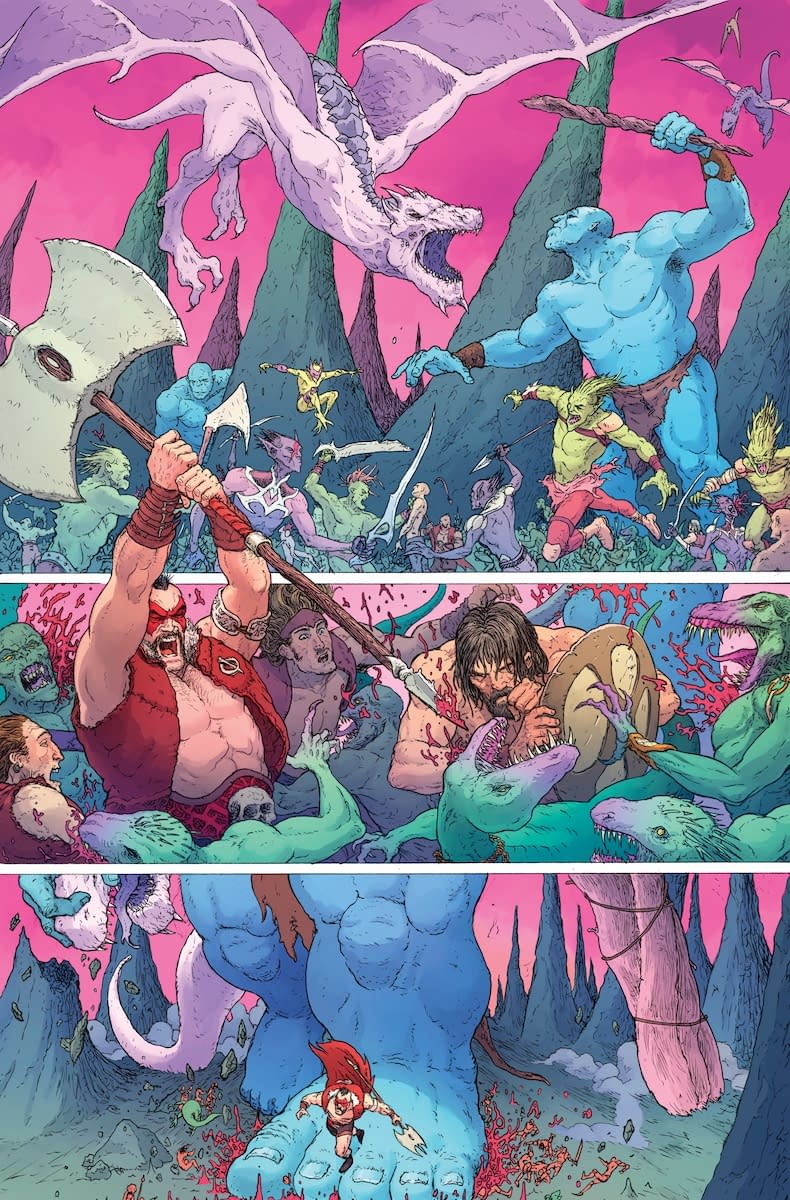
A Bad Idea comic by Matt Kindt, Ramon Villalobos and Tamra Bonvillain. A swords and sorcery parody/pastiche about a group of badass, backstabbing, greedy, terrible people tasked with saving a peaceful city from invaders. I picked this up based on the art, which is spectacular - I especially love the unusual color palette.


Unfortunately, the story is both cliched and kind of edgelord, and I didn't care about any of the characters. Also, the art is extremely gory - the panel above is mild. So I won't be continuing this series, but I may look into what else Ramon Villalobos, the artist, has done.
Tags:


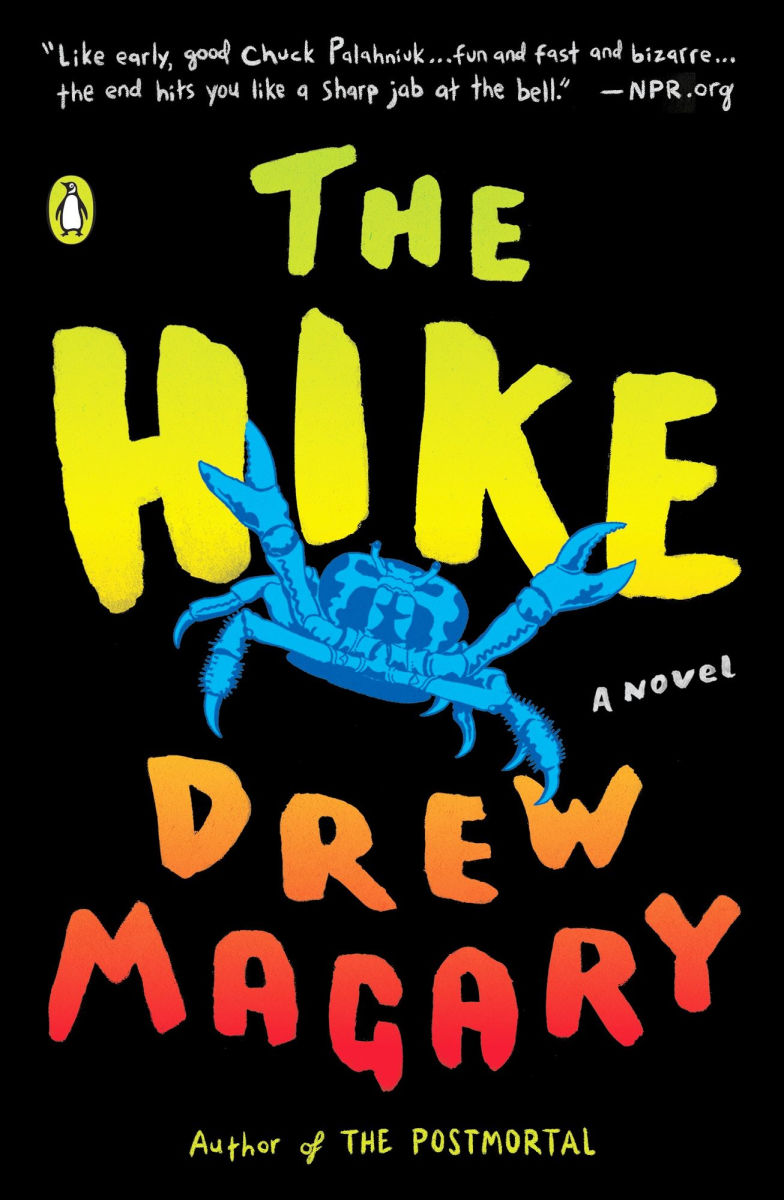
Ben is on a work trip, away from his wife and three young children, when he decides to take a hike through the woods by his hotel. Ben sees a man with a Rottweiler face disposing of a corpse, and flees into the woods with the dog man pursuing him.

The next thing he knows, he's trapped in a surreal world halfway between a nightmare and a video game. It often involves distorted reflections of his own past - Ben has a scar on his face from a Rottweiler bite and he keeps getting attacked by Rottweiler-faced men, an old lover appears at the age she was when he last saw her, and he befriends a talking crab that knows a suspicious amount about him. He has to stay on the path, or he'll die. A mysterious old woman gives him tasks and tells him the only way he can get home is to find the Producer. Things appear and disappear in a very dreamlike manner, the scene shifting from a cannibal giant's castle to a hovercraft to a desert. After each ordeal, he gets a banquet with champagne.

This extremely weird book is a bit like a dreamlike, horror-inflected Alice in Wonderland for bros. I almost gave up on it halfway through - it was so "one random thing after another and the whole thing is clearly not real" that I got bored - but that's when something happened that intrigued me enough to continue. It doesn't need to be as long as it is - it's a short book that would have been better as a novelette - but the ending, while not explaining all that much, still manages to be satisfying.

I wouldn't re-read this - the actual reading experience often felt like a slog - but it was definitely different and had some good twists, so I'm not sorry I read it. I suspect there's some overlap in readership between this and Dungeon Crawler Carl.

Don't read the spoilers if there's any chance you'll actually read the book.

Spoilers! )

Probably it's all a metaphor for life.

Content notes: Horror-typical gore and gross-outs.
Audio and transcript here.

Kat Spada: Today, I’m talking to Rachel Manija Brown, a writer who’s published over 30 books, and opened up Paper & Clay Bookshop in late 2024. Rachel, will you tell me about why you decided to open a bookshop?

Rachel Brown: I had never intended to open a bookshop. I always thought it was one of those idle daydreams that people who love reading and books have. I never planned to actually do it because I didn’t think it would be successful—they frequently go out of business. But after I moved to Crestline, which is a very small town in the California mountains, the little town did not have a bookshop.

It had a shop that was kind of a bookshop. I would say about ten percent of its inventory was books, but it was primarily gifts and herbs and crystals and things like that. But it had a really great atmosphere, people loved it, the people who worked there were really great. And all the kids in town used to hang out there, especially the queer and trans and otherwise kind of misfit kids. And I used to hang out there.

[When it went] out of business, I was so sad at the idea of the mountain losing its only bookshop. Especially the thought that all the queer, trans, bookish, and otherwise misfit teenagers, like I had once been, were going to lose their safe space.

I started daydreaming about opening it myself, and I thought, I love this idea so much, maybe in a couple of years when I have actual preparation, I’ll open a bookshop. Then I realized it was at was such a good location, that I would never get that good of a location again. It’s smack in the middle of the tourist district, every person who visits Crestline walks right past it.

Unfortunately, this was all while I was in Bulgaria for a month. So, I spent some time frantically trying to take over the lease, which was extremely difficult from another country. I couldn’t take possession of the shop until November 1st, and I really wanted to open it in time to get all the Christmas customers. And I have a tiny house, so I couldn’t really buy very much, because I had no place to put it. So I took possession of the shop on November 1st, and I opened on November 14th.


I've posted the rest of the edited transcript below the cut. Read more... )


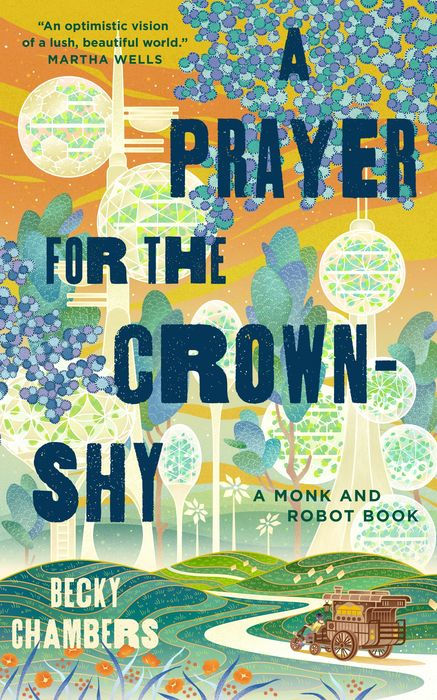
Mosscap and Dex's adventures continue from where they left off. They visit human places, including Dex's large and confusing family. Mosscap has a brush with mortality. Dex does not return to being a tea monk, their vocation still up in the air.

I enjoyed this novella for much the same reasons I enjoyed the first one, though I missed the tea service, which was my favorite part of the first book. Mosscap does turn out to be fallible and learns from Dex as much as Dex learns from it, which was nice. My favorite part of this book was the glimpses of the world, which still seems like an extremely nice place to live in.


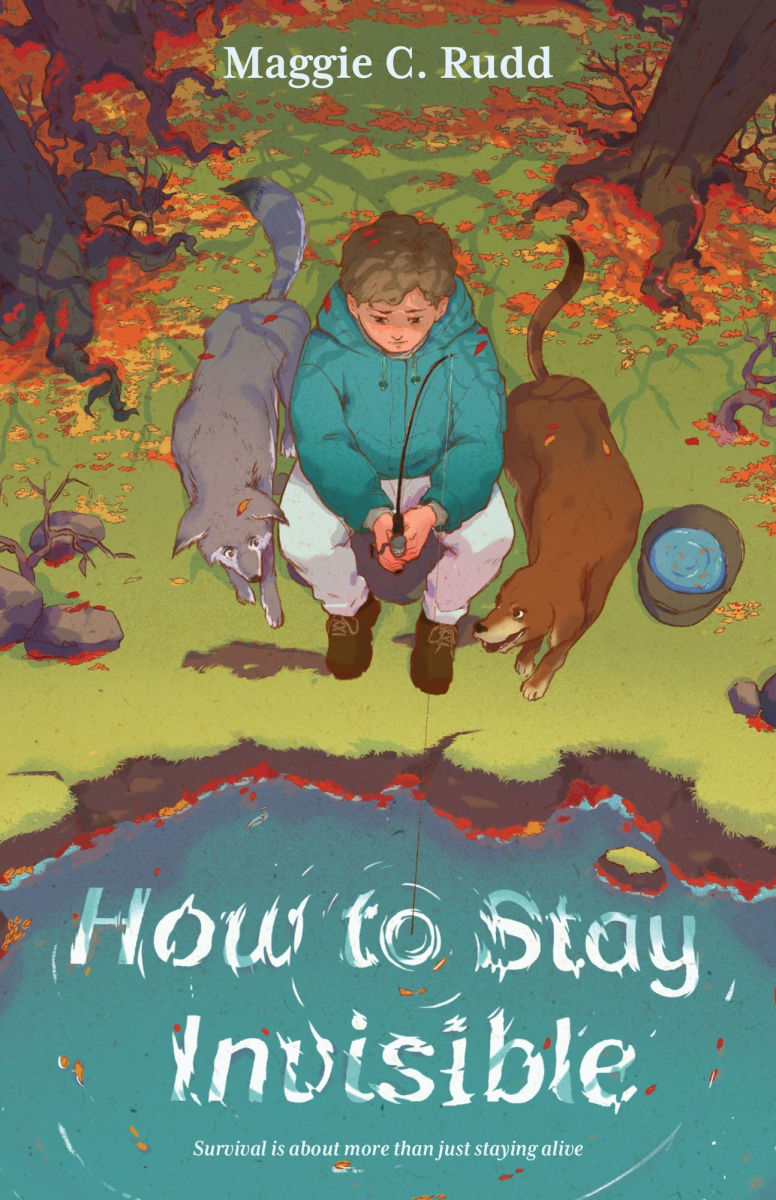
A middle-grade novel about a boy who lives in the woods, tagged as "A worthy successor to Hatchet and My Side of the Mountain."

12-year-old Raymond Hurley lives with his beloved dog Rosie and his neglectful, drug addict, emotionally abusive parents, who move constantly, have only cooked a homemade meal for him once in his entire life, and scream at him and stomp out when he cooks Thanksgiving for them. The one time he told anyone about this, he was temporarily placed in a children's home that was even worse than living with his parents, so he has decided to never tell anyone anything ever.

When they take off, ditching him and Rosie, he lives in the woods behind his middle-school. He continues attending school, as they feed him twice a day. Otherwise, he dumpster-dives after hours at the school, and fishes in the river. While this is all going on, he accidentally makes two friends at school despite his resolve to stay under the radar, accidentally befriends an old man who also fishes in the river, and accidentally tames a coyote (!), who he names Hank. But obviously, this is all unsustainable long-term...

This book isn't that much like the classic "kid survives in woods" books. It's not really about wilderness survival, it's about homelessness and the psychological effects of negligence. It doesn't have the vibe at all of something like Hatchet, where there's something satisfying and profound about living off the land and being in nature, even though it's hard and dangerous and uncomfortable. Raymond's life in the woods is just sad. It's closer to something like Homecoming, in which four kids abandoned by their mother make their way across the country in search of a home, but it's sadder and more aimless than that because Raymond is alone in his predicament and doesn't have a goal other than "stay out of the children's home."

The elements that are survival-y, like taming the coyote, clash with the overall feel of suburban social issue fiction. Especially because they're wildly unrealistic - you can't tame a coyote to the point of petting it and playing with it and having it play with your dog! A coyote will EAT your dog! (There's a key scene involving a venomous snake that also pinged my "it doesn't work that way" sense.)

I didn't really like this book, though it's not a bad book at all. I would have liked it better if it had fully committed to being a realistic book about a homeless child. I also would have liked it better if Raymond's big goal wasn't just "stay out of the children's home," but "stay out of the children's home because I hate it and they'll take away Rosie and who knows what will happen to her." He never once worries about that, which seems like a really odd thing to not be concerned about under the circumstances. If he'd been committed to protecting Rosie, it would have given him and the book more drive. I get that the writer wanted to have Raymond be more just drifting through life, but since he's putting a lot of effort into not getting caught, I think it would have made the book more compelling if the effort was connected to a living being he cared about.

The ending is an absolutely typical ending for this sort of book:

Read more... )

Content notes: child abuse, homelessness, animal death.


If you've never heard of Carroll, he wrote odd, quirky, dark, magical realist/surrealist novels and short stories. Probably his most famous book was Land of Laughs. I found his style compulsively readable, though he was absolutely unable to write a satisfying ending to his novels, ever; generally there would be a fantastic buildup followed by either an anticlimax or the book just suddenly stopping or a conclusion where I'd have no idea what actually happened. Still, I did very much like his style and often enjoyed the first half or two-thirds or 99% of his novels quite a bit. (His short stories were sometimes fully successful and did have actual endings.)

I came across After Silence at a used bookshop, and was surprised as I'd never heard of it. I now realize there's a reason I've never heard of it. As far as I know, it's his only non-fantasy work. At least I think it's not fantasy. It has a solid build-up, then completely falls apart in the final third leading to a truly bizarre ending. Definitely my least favorite book of his.

It begins in a somewhat Carroll-typical fashion, with the main character, a cartoonist named Max, having a meet-cute with a woman, Lily, and her young son Lincoln in a museum. It's Carroll-typical because Max's somewhat successful cartoon is deeply weird, Lily takes him to the restaurant where she works which is charmingly weird, and there's hints that something odd is up with her and Lincoln that deepen as the three of them have quirky adventures and form a family.

Huge spoilers )

To be fair to Carroll, this really isn't typical of his writing. Even his best novels feel a bit dated in addition to always imploding at the end, but I do still like Bones of the Moon, Land of Laughs, and the first half of Outside the Dog Museum. His short stories are worth reading and hold up better. I especially like "Friend's Best Man" and "The Sadness of Detail."
rachelmanija: (Books: old)
( Jan. 8th, 2026 02:52 pm)
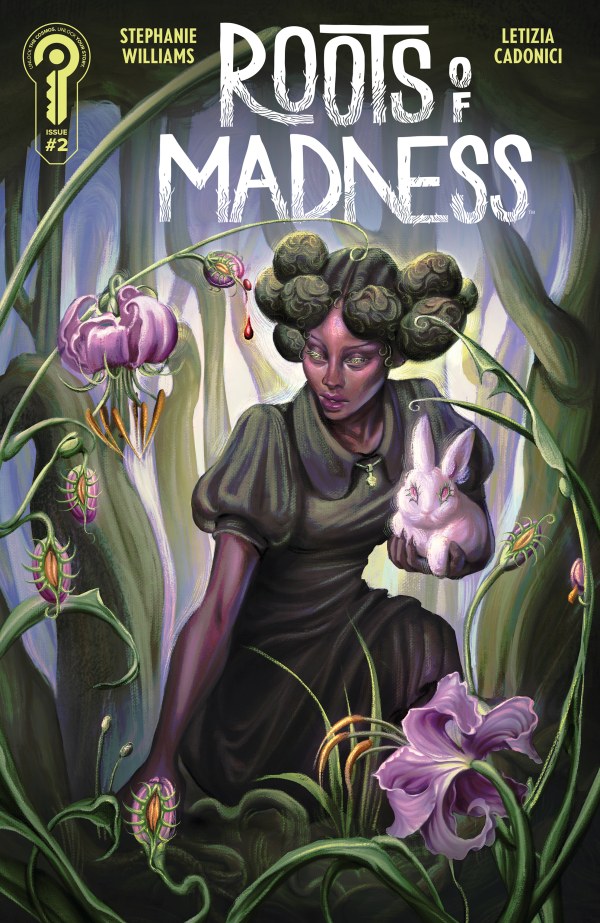
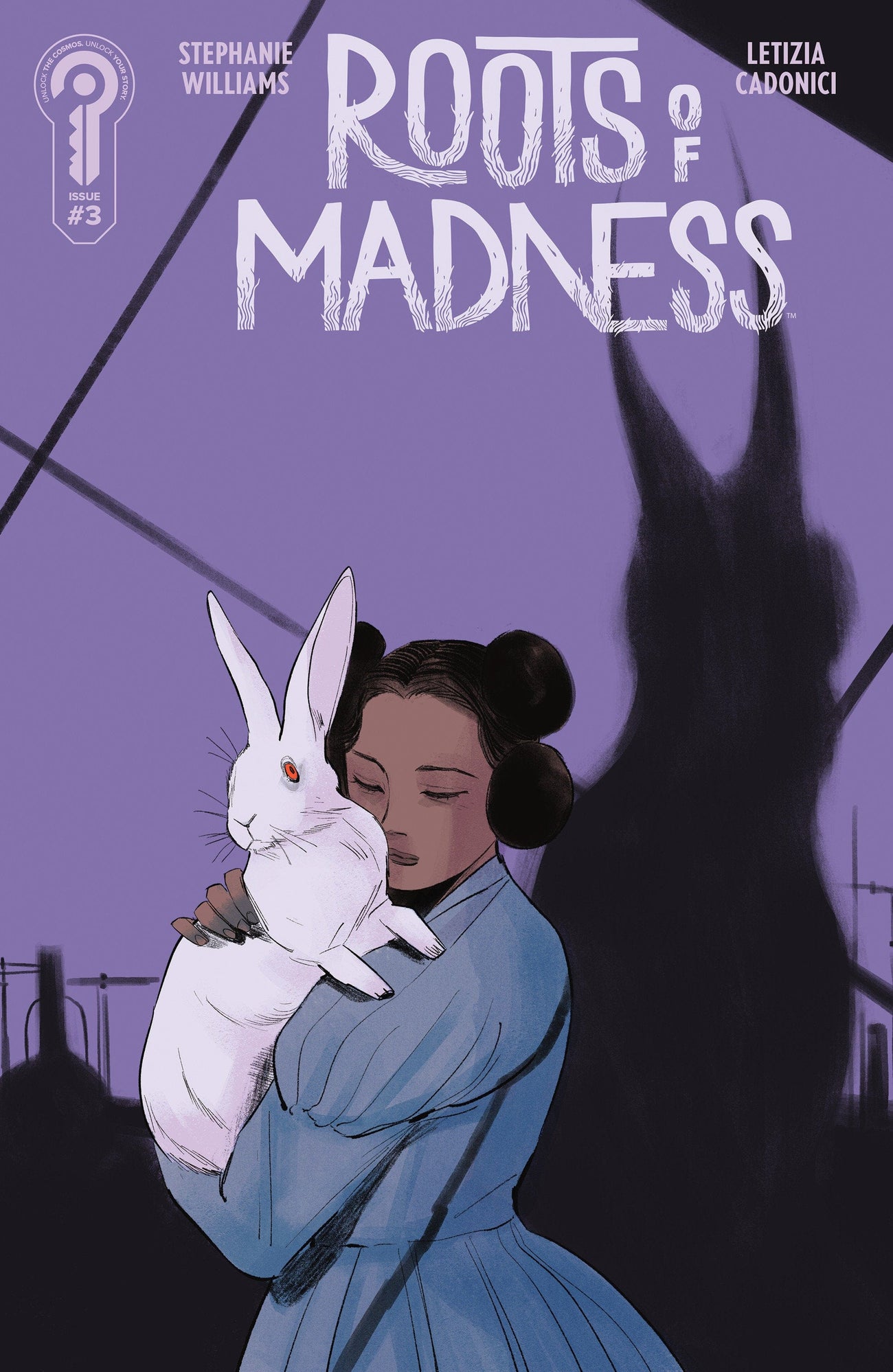
A new comic from Ignite Press by Stephanie Williams, Letizia Cadonici (main artist) and Juliet Nneka (alternate covers.) At the turn of the century, Etta, a young Black woman, studies both science and a book of old remedies she inherited from her mother, along with some dire warnings she doesn't heed.

This is a really interesting historical fantasy with elements of cosmic horror and dark academia. Each issue has alternate covers in very different styles. I like both of them.


I'll be following this one.

Content notes: So far racism is part of the world and why the characters make some choices, rather than violent or constantly present on-page. The rabbits are used in experiments that are not cruel - Etta tests a healing ointment on one that has an injury - but they seem likely to eventually turn into zombies or get possessed by cosmic horrors or merge with eldritch plants.


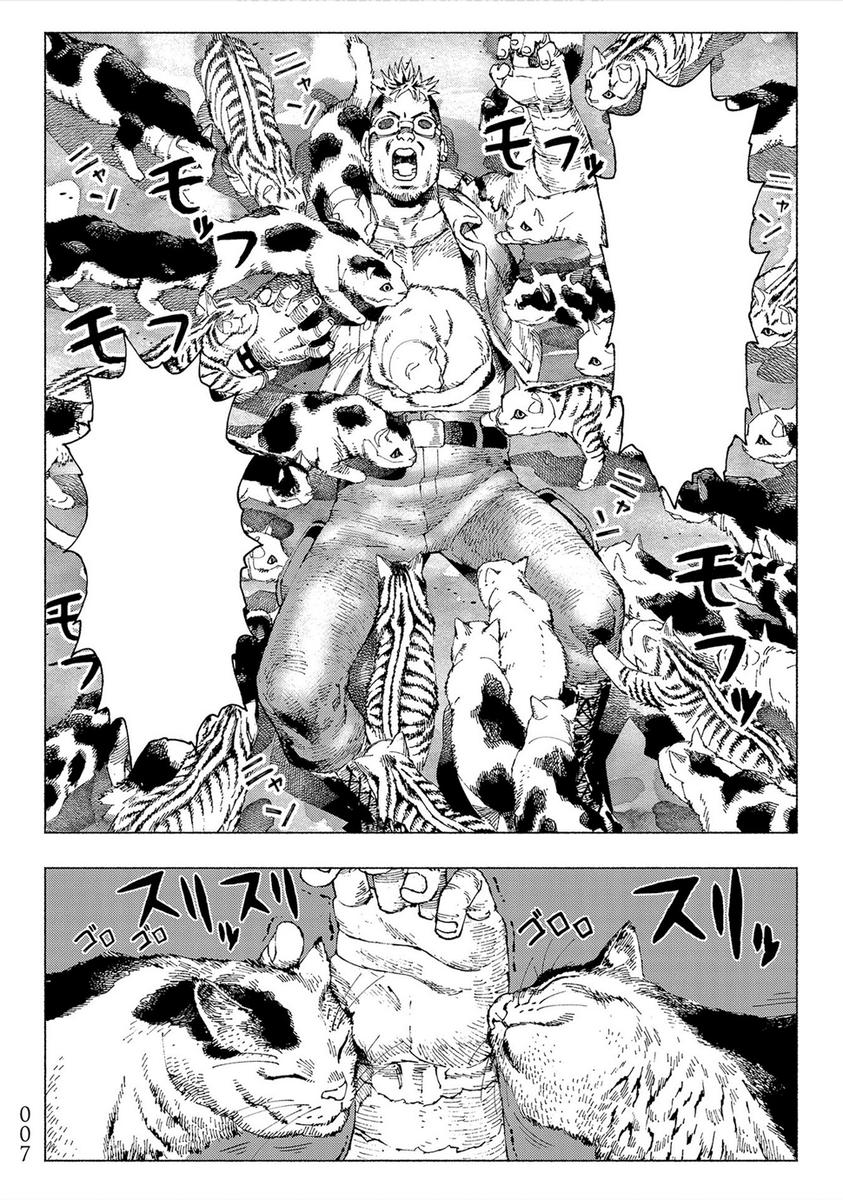
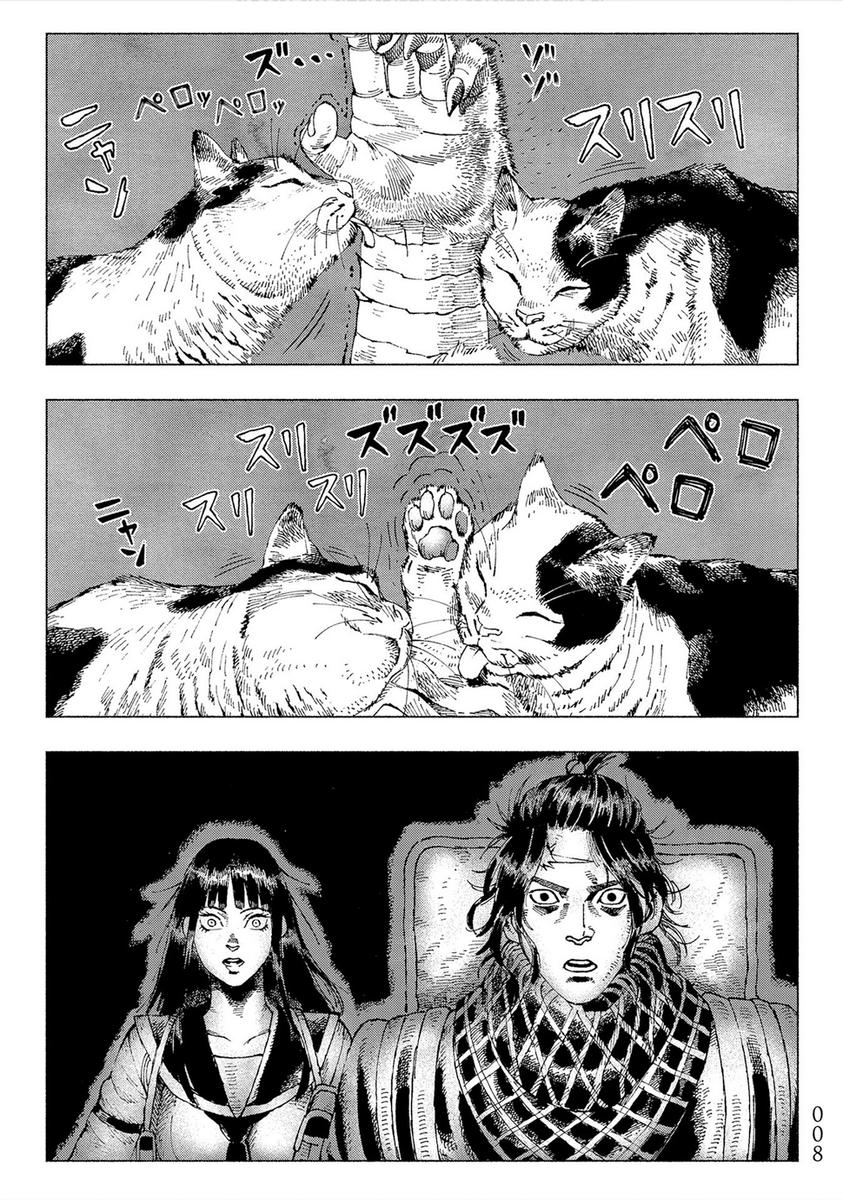
It's a zombie apocalypse, only instead of zombies, there's cats.


In a future in which 90% of the population owned a cat, a strange virus spreads. If you cuddle a cat, or a cat nuzzles you, you turn into a cat! It's a catastrophe! A catlamity! A nyandemic!


Not only are cats everywhere, but the cats are either instinctively trying to turn humans into cats, or they just want to be petted. Cue every zombie movie scene ever, but with cats. Cats scratch at the doors! Cats peer through the windows! Groups of cats ambush you in tunnels!

The characters are all very upset by this, because they love cats! And now there's cats everywhere, just begging to be skritched! And they can't skritch them! "We can't even squish their little toe beans!" The horror!

Needless to say, they would never ever harm a cat. In fact they feel bad when they're forced to spray cats with water to shoo them away.

I'm not sure how this can possibly be sustained for seven volumes, but on the other hand I could happily read seven volumes of it. The cat art is really fun and adorable. I would definitely do better in a zombie apocalypse than a cat apocalypse, because I would never be able to resist those cats.

Content notes: None, the cats are fine.


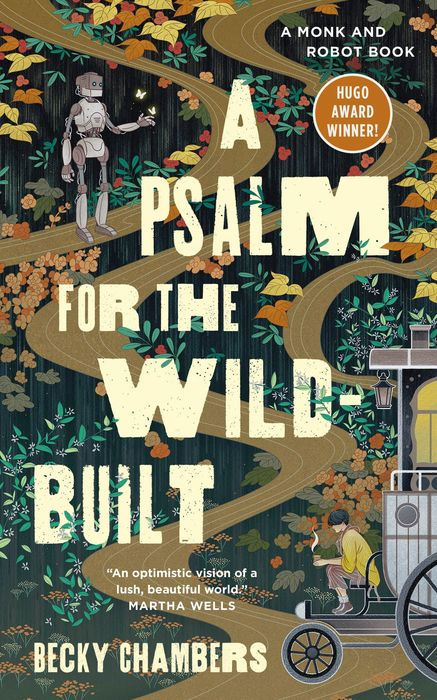
Once upon a time, the moon Panga was industrial and capitalist and miserable. Then robots suddenly and inexplicably gained self-awareness. They chose to stop working, leave human habitation, and go into the wilderness. The humans not only didn't try to stop them, but this event somehow precipitated a huge political change. Half of Panga was left to the wilderness, and humans developed a kinder, ecologically friendly, sustainable way of life. But the robots were never seen again.

That's all backstory. When the book opens, Sibling Dex, a nonbinary monk, is dissatisfied with their life for reasons unclear to themself. They leave the monastery to become a traveling tea monk, which is a sort of counselor: you tell the monk your troubles, and the monk listens and fixes you a cup of tea. Dex's first day on the job is hilariously disastrous, but they get better and better, until they're very good at it... but still inexplicably dissatisfied. So they venture out into the wilderness, where they meet a robot, Mosscap - the first human-robot meeting in hundreds of years.

I had previously failed to get very far into The Long Way to a Small, Angry Planet, so I was surprised by how much I enjoyed this novella. It's cozy in a good way, with plenty of atmosphere, a world that isn't quite perfect but is definitely one I'd like to live in, and some interesting philosophical exploration. My favorite part was actually Dex's life as a tea monk before they meet Mosscap - it's very relatable if you've ever been a counselor or therapist, from the horrible first day to the pleasure of familiar clients later on. I would absolutely go to a tea monk.

I would have liked Mosscap to be a bit more flawed - it's very lovable and has a lot of interesting things to say, but is pretty much always right. Mosscap is surprised and delighted by humanity, but I'm not sure Dex ever shakes up its worldview in a way it finds true but uncomfortable, which Mosscap repeatedly does to Dex. Maybe in the second novella, A Prayer for the Crown-Shy.

And while I'm on things which are implausibly neat/perfect, this is a puzzling backstory:

1) Robots gain self-awareness and leave.

2) ????

3) PROFIT! Society goes from capitalist hellscape to environmentalist paradise.

Maybe we'll learn more about the ???? later.

But overall, I did quite like the novella. The parts where Dex is a tea monk, with the interactions with their clients and their life in their caravan, are very successfully cozy - an instant comfort read. And I liked the robot society and the religious orders, as well as a lot of the Mosscap/Dex relationship. I'll definitely read the sequel.


This is a difficult book to review as almost all of the plot is technically spoilery, but you can also figure out a lot of it from about page three. I'll synopsize the first two chapters here. We follow two storylines, both set in an alternate England where Hitler was assassinated in 1943 and England made peace with Germany.

In one storyline, a young girl named Nancy lives an isolated life with her parents. In the other, which gets much more page time, three identical young boys are raised by three "mothers," in a home in extremely weird circumstances. They rarely see the outside world, they're often sick and take medicine, their dreams are meticulously recorded by the "mothers," and all their schooling comes from a set of weird encyclopedias that supposedly contain all the knowledge in the world, which are also the only books they have access to. There used to be 40 boys, but when they recover from their mysterious illness, they get to go to Margate, a wonderful vacationland, forever.

I'm sure you can figure out the general outline of what's going on with the boys, at least, just from this. What's up with the girl doesn't become clear for a while.


Spoilers through about the 40% mark )


Spoilers for the entire book )


This book was critically acclaimed - it was a Kirkus best book of 2025 - but I thought it had major flaws, which unfortunately I can only describe by spoiling the entire book. It's not at all an original idea, and I do think we're supposed to be ahead of the characters, but maybe not that much ahead. It also contained a trope which I hate very much and its thesis contradicted itself, but how, again, is under the end cut. It's a very serious book about very serious real life stuff, but that part really didn't work for me because of spoilers.


Lots of people loved it though. It would probably make an interesting paired reading with a certain very acclaimed spoilery book (Read more... )), which I have not read as I have been spoiled for the entire story and it doesn't really sound like something I'd enjoy no matter how great it is. But I suspect that it's the better version of this book.


Content Notes (spoilery): Read more... )


I picked up this 1969 novel at a library book sale based on its premise. I had never heard of the author. One of the great pleasures of reading, at least for me, is trying random old books I've never heard of. In addition to the possibility that they might be good, they're also an interesting window into other times. (Often, alas, extremely racist and sexist times.)

Sixteen people, eight women and eight men, who were on a flight to London, wake up in plastic boxes on a short strip of road with a hotel, a grocery store, and two cars without engines. Everything else is a forest. Naturally, most of the women scream, faint, and cry, while most of the men randomly fight each other (!), or run around yelling. Our hero does this:

Russell Grahame, feeling oddly detached from the whole absurd carnival, ran his left hand mechanically and repeatedly through his hair in the characteristic manner that had earned him the sobriquet Brainstroker among his few friends in the House of Commons.

He then goes to the hotel, finds the bar, and has a drink. Everyone else eventually follows him, and he fixes them all drinks. They are a semi-random set of passengers, including two husband and wife couples, plus three young female domestic science students, one Indian, and one West Indian girl improbably named Selene Bergere. I have no idea why that name is improbable, but it's remarked on frequently as unlikely and eventually turns out to not be her real name (but everyone goes on calling her Selene, as she prefers it.) They can all understand each other despite speaking different languages.

Russell takes charge and appoints himself group leader. They find food (and cigarettes) at the market, select hotel rooms, and then the husband-and-wife physics teachers point out that 1) the constellations are not Earth's, 2) gravity is only 2/3rds Earth's and they can all jump six feet in the air! Astonishing that none of the others noticed before. I personally would have immediately run outside and fulfilled my lifelong dream of being able to do weightless leaping. Sadly none of them do this and the low gravity is never mentioned again.

They theorize that possibly they've been kidnapped by aliens, maybe for a zoo or experiment, and the gender balance means they're supposed to breed. Russell approvingly notes that many of the single people pair up immediately, and three of them threesome-up. This is like six hours after they arrived!

On the second night, one of the three female domestic science students kills herself because she feels unable to cope. The next day, a party goes exploring (Russell reluctantly allows women to take part as the Russian woman journalist reminds him that women are different from men but have their own strength) and one of the men falls in a spiked pit and dies. Good going, Russell! Three days and you've already lost one-eighth of your party!

All the supplies they take are replenished, and one of the men spies on the market and sees metal spiders adding more cartons of cigarettes. He freaks out and tries to kill himself.

I feel like a random selection of sixteen people ought to be slightly less suicidal, even under pressure. In fact probably especially under a sort of pressure in which everyone has quite nice food and shelter, and they seem perfectly safe as long as they don't explore the forest.

One of the guys tries to capture a spider robot, but gets tangled up in the wire he used as a trap and dragged to death. Again, this group is really not the best at survival.

We randomly get some diary entries from a gay guy who's sad that no one else is gay. He confesses to Russell that he's gay and Russell, in definitely his best moment, just says, "Wow, that must be really hard for you to not have any sexual partners here." Those are the only diary entries we get, and none of this ever comes up again.

They soon find that there are three other groups. One is a kind of feudal warrior people from a world that isn't earth where they ride and live off deer-horse creatures. Another is Stone Age people, who dug the spiked pits to hunt for food. The third are fairies. The language spell allows them all to communicate, except no one can speak to the fairies as they just appear for an instant then vanish. The non-fairy groups confirm that they were also vanished from where they come from.

Russell and his now-girlfriend Anna the Russian journalist theorize that the fairies are the ones who kidnapped them. They and a Stone Age guy set out to find the fairies...

And then chickens save the day! )

So, was this a good book? Not really. Did anyone edit it? Doubtful. Did it have some interesting ideas and a good twist? Yes. Did I enjoy the hour and a half I spent reading it? Also yes. Would I ever re-read it? No. Do I recommend it? Only if you happen to also find it at a library book sale.

I am now 2 for 2 in reviewing every full length book I read in 2026! (I have not yet gotten to one manga, Night of the Living Cat # 1, and six single-issue comics, three each of Roots of Madness and They're All Terrible.) I think doing so will be good for my mental health and possibly also yours, considering what I and you could be doing on the internet instead of reading books and writing or reading book reviews.

Can I continue this streak??? Are you enjoying it?
My New Year's resolution is to attempt to review every full-length published book that I read this year. We'll see how it goes. For my first full-length read of 2026, which is obviously highly symbolic, I have of course carefully selected a beautifully written novel with deep themes and social importance.

Just kidding! I randomly picked up a trashy beach read novel from the 80s, purchased at a thrift shop, while in the bathroom, got surprisingly engrossed in it, and took it out of the bathroom to read on the sofa. Which, to be fair, is probably symbolic of both the year to come and my reading habits in general.


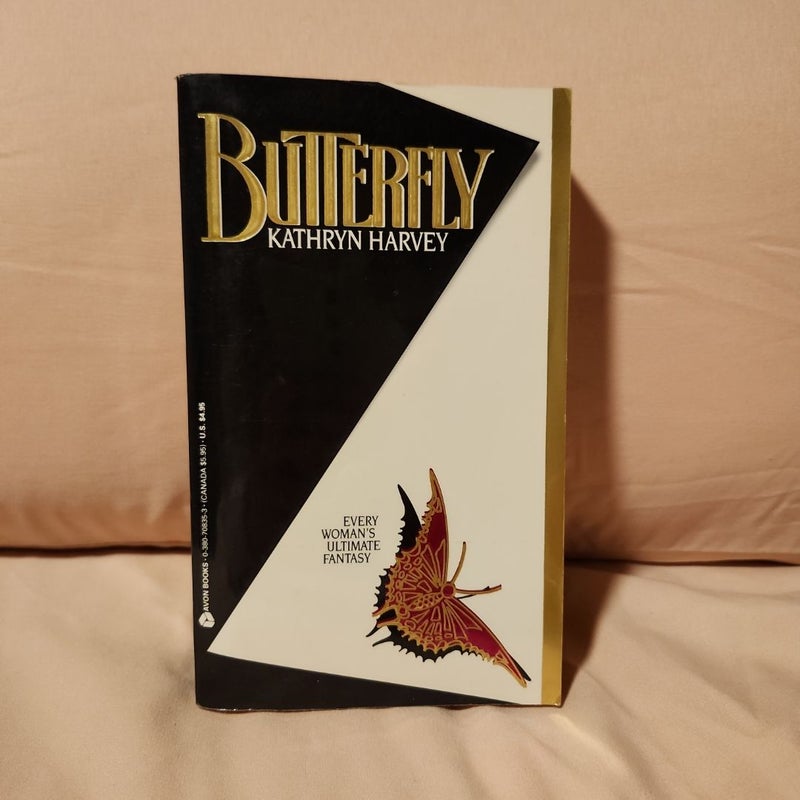
Above an exclusive men's store on Rodeo Drive there is a private club called Butterfly, where women are free to act out their secret erotic fantasies.

I have a thing for "fancy sex club/brothel with highly-paid sex workers who like their jobs and fulfill your erotic fantasies." So I bought this book (50 cents, at a thrift shop) and actually read it even though it's in a genre I almost never read, which is the fat beach read about rich people's sex lives written in the 1980s.

Butterfly follows three women who patronize the club, Butterfly. It's named for the beautiful little butterfly charm bracelets women wear to the store to identify themselves to the staff as patrons of the club, so they can be whisked upstairs to have their sexual fantasies satisfied (just by men, alas), whether that means recreating a cowboy bar complete with sawdust on the floor to a bedroom where a sexy burglar breaks in to a dinner date where you argue about books, yes really. The women are all accomplished and successful, but have something missing or wrong in their lives: the surgeon can't have an orgasm, the pool designer deals with on the job sexism, and the lawyer is married to an emotionally abusive asshole. Their time at Butterfly leads, whether directly or indirectly, to positive changes in their lives.

Spoilers are almost certainly not what you're expecting. )

This novel, while dealing seriously with some serious topics, is also basically a fun beach read. I read it in winter with a space heater and hot cider, which also works. I'm not sure it converted me to the general genre of 80s beach reads, but I sincerely enjoyed it.

Content notes: Child sexual abuse, child sexual slavery (not at the Butterfly sex club, everyone's a consenting adult there), forced abortion, emotional abuse.
rachelmanija: (Autumn: small leaves)
( Jan. 1st, 2026 07:17 pm)
I wrote three stories this Yuletide. The first two won't make much sense if you don't know the canons. With the third, all you really need to know is that mushi are magical creatures and Ginko solves people's mushi-related problems.

28 Years Later

Memento Mori. Dr. Kelson creates his masterpiece.

I really liked the movie, which is extremely different from the first one (also extremely different from the second, which I don't care for) and also extremely different from the brilliant trailer, which introduced me to the astonishing recording from 1915 (!) of actor Taylor Holmes reciting Kipling's poem "Boots." It's a post-apocalypse movie that's partly a coming of age story, partly an action/horror movie, and partly a beautiful and moving drama about life, death, and remembrance. And then there's the last two minutes, which are basically parkour Trainspotting.

I actually matched on The Leftovers, but I liked the 28 Days Later prompt so much that I wrote that instead.

Dragonriders of Pern - Anne McCaffrey

Hunger. Both Lessa and Kylara are Searched for Nemorth's final clutch.

I just really enjoy writing in this canon. I love the dragons and McCaffrey created a lot of very interesting characters even if she often ended up not knowing quite what to do with them.

Mushishi

A Turn of the Wheel. Ginko encounters an unusual mushi in a village known for pottery.

Mushishi is an incredibly beautiful anime and manga with a dreamy, wistful atmosphere. I saw a prompt for mushi infesting a piece of pottery and could not resist. This story was also inspired by having recently visited Japan in the summer, a time of year I very much do not recommend for a visit if you can possibly avoid it. It's like living in a sauna. Now imagine doing a kiln firing in that sauna.
Tags:
2025: A horrible year! Except for reading.

I see that I got increasingly too busy to actually write reviews, and also that the better a book is, the harder and more time-consuming it is to review. I will try to review at least some of these this year, and also to be more diligent about reviewing books soon after I actually read them.

The Tainted Cup & A Drop of Corruption, by Robert Jackson Bennett. Very, very enjoyable fantasy mysteries set in a very, very odd world whose technology and science is biology-based magic and kaiju attack every monsoon. The detectives are a very likable odd couple thinker/doer in the tradition of Nero Wolfe/Archie Goodwin or Hercule Poirot/Hastings, except that the eccentric thinker is a cantankerous old woman.

The Daughter's War, by Christopher Buehlman. This is a prequel to Blacktongue Thief; I liked that but I loved this. A dark fantasy novel in the form of a war memoir by a woman who enlisted into the experimental WAR CORVID battalion after so many men got killed in the battle against the goblins that they started drafting women. War is hell and the tone is much more somber than the first book as Galva isn't a wisecracker, but her own distinct voice and the WAR CORVIDS carry you through. You can read the books in either order; either way, the ending of each will hit harder emotionally if you've read the other first.

Arboreality, by Rebecca Campbell. I like to sell this in my bookshop as a mystery parcel labeled, in green Sharpie, "A green book. A mossy, woodsy, leafy book. A hopeful post-apocalyptic novel of the forest."

The Adventures of Amina al-Sirafi, by Shannon Chakraborty. The heroine is a middle-aged, single mom pirate dragged out of retirement for one last adventure, the setting is a fantasy Middle East, and it's just as fun as the description sounds.

The Bog Wife, by Kay Chronister. When the patriarch dies, the oldest son summons a wife from the bog to bear his children. Only the family is now in modern Appalachia rather than ancient Scotland, they're living in miserable conditions, and the last bog wife vanished under mysterious circumstances. Is there even a bog wife, or is this just a very small cult? (Or is there a bog wife and it's a very small cult?) A haunting, ambiguous, atmospheric novel.

The Everlasting, by Alix Harrow. This is probably my favorite book of the year. It's a time travel novel that's also an alternate version of the King Arthur story where most of the main characters are women, and it's also about living under and resisting fascism, and it's also a really fantastic love story with such hot sex scenes that it made me remember that sex scenes are hottest when they're based in character. (If you like loyalty/fealty kink, you will love this book.) It's got a lot going on but it all works together; the prose is sometimes very beautiful; it's got enough interesting gender themes that I'd nominate it for the Otherwise (Tiptree) award if I was a nominator. An excellent, excellent book.

King Sorrow, by Joe Hill. I've had mixed experiences reading Joe Hill but this book was fantastic. It's a big blockbuster dark fantasy novel that reads a bit like Stephen King in his prime, and I'm not saying that just because of Hill's parentage. Five college kids (and a non-college friend) summon an ancient, evil dragon to get rid of some truly terrible blackmailers. King Sorrow obliges, but they then need to give him another name every year. It's an enormous brick of a book and I'd probably only cut a couple chapters if I was the editor; it's long because there's a lot going on. Each section is written in the style of a different genre, so it starts off as a gritty crime thriller, then moves to Tolkien-esque fantasy, then Firestarter-esque psychic thriller, etc. This is just a blast to read.

Buffalo Hunter Hunter, by Stephen Graham Jones. Another outstanding horror novel by Jones. This one is mostly historical, borrowing from Interview with the Vampire for part of its frame story, in which a Blackfeet vampire named Good Stab tells his life story to a white priest. It's got a great voice, it's very inventive, it has outstanding set pieces, and it's extremely heartbreaking and enraging due to engaging with colonialist genocide, massacres, and the slaughter of the buffalo.

Hemlock & Silver , by T. Kingfisher. A very enjoyable fantasy with interesting horror and science fiction elements.

What Moves the Dead, What Feasts at Night, What Stalks the Deep, by T. Kingfisher. A set of novellas, the first two horror and the third mostly not, with a main character I really liked who's nonbinary in a very unique, culturally bound way. I particularly liked that this is lived and discussed in a way that does not feel like 2023 Tumblr. They're also just quick, fun, engrossing reads.

Lone Women, by Victor LaValle. An excellent historical fantasy with elements of horror, based on Montana's unique homesteading law which did not specify the race or gender of homesteaders, allowing black women to homestead. So Adelaide flees California for Montana, dragging with her an enormous locked steamer trunk, too heavy for anyone but her to lift, which she never, ever opens...

We Live Here Now, by Sarah Pinborough. What can I say? I really enjoy a good twist, and this has a doozy. Also, a great ending.

Pranksters vs. Autocrats: Why Dilemma Actions Advance Nonviolent Activism, by Srđa Popović. How to fight fascism with targeted mockery and other forms of nonviolent actions designed to put your opposition in an unwinnable situation. This costs five bucks, you can read it in less than two hours, and it was written by the leader of one of the student movements that helped overthrow Slobodan Milošević. This is not a naive book and it is very much worth reading.

Under One Banner, by Graydon Saunders. Commonweal # 4. Don't start here. I liked this a lot, hope to write about it in pieces when I re-read it, and was surprised and pleased to discover that it is largely about the ethics of magical neurosurgery and other forms of magical mental/neurological care/alteration.

Troubled Waters, by Sharon Shinn. A lovely, character-driven, small-scale fantasy. I wish this book had been the model for cozy fantasy, because it actually is one, only it has stakes and stuff happens. Also, one of the most original magic systems I've come across in a while.

Shroud, by Adrian Tchaikovsky. An outstanding first-contact novel with REALLY alien aliens.

Project Hail Mary, by Andy Weir. I guess the premise is spoilery? Read more... ) That's not a criticism, I loved the book. Funny, moving, exciting, and a perfect last line. This is probably duking it out with The Everlasting for my favorite of the year.

I also very much enjoyed American Elsewhere by Robert Jackson Bennett, The Blacktongue Thief by Christopher Buehlman, Dinotopia by James Gurney, Open Throat by Henry Hoke, When the Angels Left the Old Country, by Sacha Lamb, Elatsoe by Darcy Little Badger, The Bewitching & Mexican Gothic by Silvia Moreno-Garcia, Convenience Store Woman by Sayaka Murata, Sisters of the Vast Black, by Lina Rather, Ministry for the Future by Kim Stanley Robinson, Liberated: The Radical Art and Life of Claude Cahun, by Kaz Rowe, Into the Raging Sea, by Rachel Slade, The Haar by David Sodergren, The Journey by Joyce Carol Thomas, Strange Pictures/Strange Houses by Uketsu, Black River Orchard by Chuck Wendig, and An Immense World, by Ed Yong.

I'm probably forgetting some books. Sorry, forgotten books!

Did you read any of these? What did you think?
.

Syndicate

RSS Atom

Most Popular Tags

Powered by Dreamwidth Studios

Style Credit

Expand Cut Tags

No cut tags